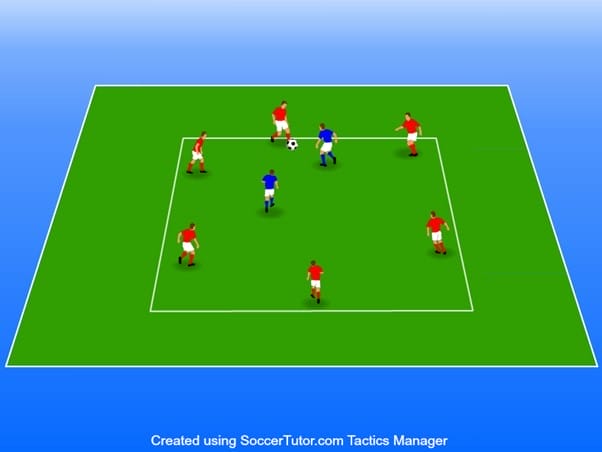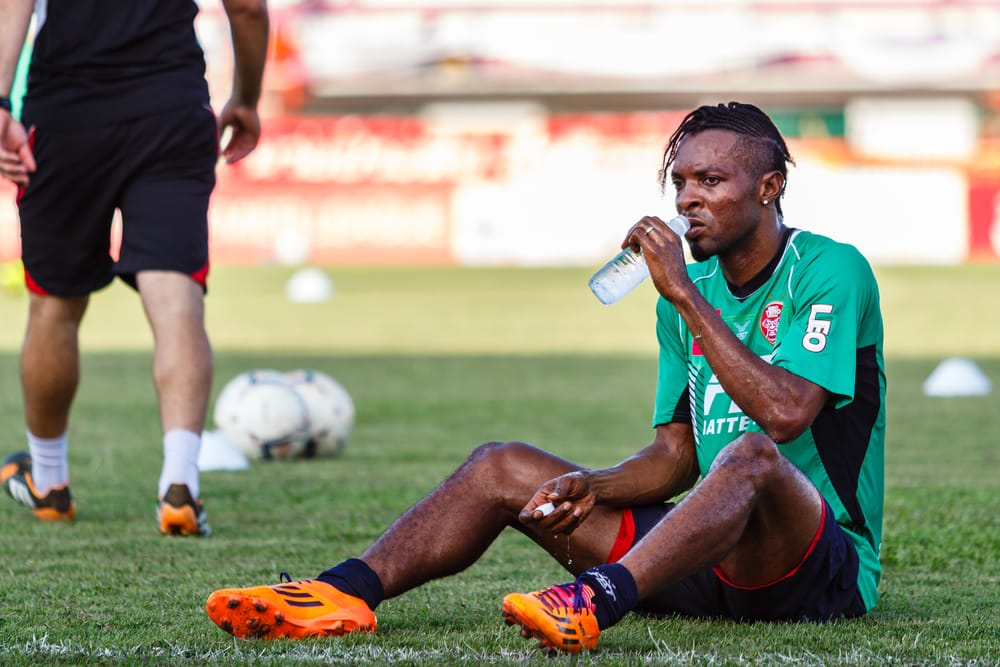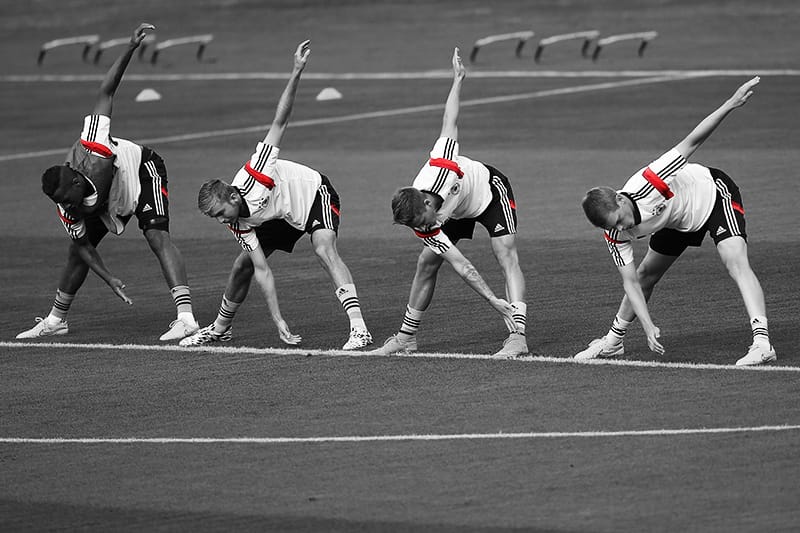
Today, many coaches struggle with the preparation of their team to meet all elements of physical, technical, psychological & tactical demands of the game.
This coaching dilemma of achieving the right levels of training across each component is constantly at the forefront of the youth & senior coaches or managers mind.

Based on the increased understanding and analysis of the game over the last few decades, combined with the high-speed nature of the game progressing more rapidly, the question is continually asked;
“Have we progressed our training preparation in line with those game & player demands or not? Are our coaching methods modern & enhancing our players?”
Players are now more educated on their tactical roles, and physical & technical requirements which subsequently means coaches & individuals involved in the player development & performance perspective of the game, need to continually enhance their skill set.
What is a Soccer Coaching Methodology?
In recent years, team sports, in general, have shifted towards a trend concerning physical training and the methodology of coaching.
This is partly as a result of the professionalisation of both coachings as well as the hugely positive impact & influence of soccer science & football as well as sport science.
Whether you are a youth coach working in an academy or working with more senior players, you can always develop in your own time – learning in the comfort of your own home through an ISSPF FA coaching course or ourISSPF online sport science courses.
The term ‘Periodisation’ has been around for many decades when it comes to sporting environments – however the use within team sport contexts across individual players who respond differently based on positional roles & demands, is a tricky concept to manoeuvre around when trying to maximally prepare everyone with generic training.

What is Tactical Periodization?
Perhaps the biggest impact of recent times within soccer training especially, has been the integrated trainingconcept where traditional training models have been reduced & replaced with a more sport specific methodology employed.
Notably, there is more than one way of training and structuring the training week (microcycle), however in recent times one of the most contemporary training approaches discussed is known as “Tactical Periodization.”
This particular physical & tactical preparation method, formed at the sports University of Porto (Portugal), can be explained simplistically as “training or learning” the individual, unit or collective roles & responsibilities of the teams tactical strategy whilst respecting the game or sports logical structure.
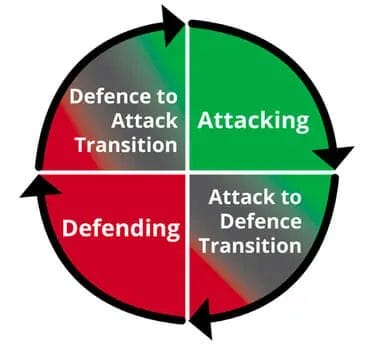
For Tactical Periodization, the “logical structure” of the game revolves around the four moments of the game (see figure below) accordingly, as it’s suggested that at least one of these four moments of the game is always present in every training exercise or competitive game – highly linked to one of the key coaching principles: specificity.
Linking coaching science principles from a physiological perspective with the tactical strategy of team sport preparation & training football is fundamental in order to maximise the performance of soccer athletes or football players.
Use of current literature and research in these specific areas assist in individuals, coaches & performance practitioners making better, more educated and informed decisions to not only improve the performance, but also improve their efficiency in the coaching process & maximise their coaching time with their players or teams
What Type of Training do Soccer Players Do?
Discussing the game model building process, it is essential that we understand the development of its conceptual framework;
- understanding what we need and want in our model
- how it looks to the staff, players & outside influencers
- players behaviours considering the different moments of the game
- their roles & responsibilities
And how it all works as a guideline so that the whole training process can be developed & progressed with how we intend to play.
It has been suggested that the four most important parameters when designing a training microcycle & the weekly plan should follow & cohere to the following:
- Be cognisant of the style of play, or have the Game Model of the team at the forefront (tactical strategy, unit & individual roles & responsibilities, game plan, collective tactics in and out of possession)
- The physical capacity or physiological factors (what are we expecting from our players within the game tactically from a physical perspective)
- The current seasonal phase (are we in preseason, early season, are we encountering fixture congestion periods)
- Management of the squad (do we think ahead? Players capacity to reproduce outcomes, demands on players, psychological & physical, rotation potential?)
The use of an integrated coaching model, where we are capable of training in such a way where we can develop physical, technical & tactical qualities within the same session, is not only a way of being more efficient with our time on the pitch, but we are capable of then enabling our players to engage in a holistical coaching process that maximises development.

Join Our Soccer Performance Course
The ISSPF Physical Training & Soccer Methodology online football coaching course is the perfect online sport science course to not only learn from leaders in the football science & coaching area, but understanding the development & application within team sports, & enhance your role & guidance as a coach, practitioner, performance or medical staff member.
The demand for sports science, physiotherapists, and performance & coaching specialists in football & team sports is growing year upon year.
Thousands of students are leaving university with a sports science degree, physio or therapy-related qualification, however many of them asking the key question – What now?
- How do I get a job in football?
- What’s the next step?
- Which area of sport or football science & medicine do I want to specialise in?
This is certainly an interesting question as progressing from completing a sporting, medical or therapy-related degree to then working in professional football & trying to understanding all the key components, and soft skills that come with jobs in football or careers within sport is complex.
As a result, the bespoke courses developed by ISSPF Elite Medical & Football Science Faculty members are a way of further exposing learners, parents, professional coaches, students, or other individuals interested in football science with a thirst to develop & upskill further.
The link below will take you to the hugely popular & expertly designed ISSPF University endorsed, & FA accredited Physical Training & Soccer Methodology online sport science course, which has been described as one of the best online courses for further developing & adding to football coaching qualifications, where you will be exposed to football science research and practical examples used within the game
Physical Training & Soccer Methodology Online Course
“To be successful you need to reproduce results, not win, lose, win, lose – I need performance stability not instability!”

Jurgen Klopp
Manager, Liverpool FC
How This Course Will Improve You
- Provides most efficient training methods and detailed insights into developing player fitness alongside tactical strategies & developing a training methodology.
- Gain a better understanding how to maximise development & preparation of players in a more efficient & contemporary game model approach.
- Learn how to balance key training elements from a technical, tactical & physical preparation in order to attain peak performance.
- Practitioners & coaches can only benefit themselves & their players further by a more in-depth knowledge of physical training & soccer methodology.
- Help maximise your decision making through a better understanding & appreciation of tapering & soccer periodisation.
What Does This Course Cover?
Outline of the Physical Training & Soccer Methodology Course:
Module 1: The appliance of science – tapering & periodisation in team sports
Lecturer: Dr. Adam Owen (Wales)
Module 2: Soccer specific monitoring: Weekly microcycle, planning and performance
Lecturer: Dr. Dawid Golinski (Poland)
Module 3: Game model building & development: Reinterpreting Tactical Periodisation
Lecturer: Alejandro Romero-Caballero (Spain)
Module 4: Individualised Periodization in a Soccer Team: A working model
Lecturer: Jarred Marsh (South Africa)
Module 5: An integrated approach to soccer training: Developing a working model
Lecturer: Efthymios Kyprianou (Cyprus)
Module 6: Carbohydrate requirements of soccer players: Implications for periodisation
Lecturer: Dr. Liam Anderson (England)
Module 7: Integrating Physical & Tactical Periodisation in Soccer: Senior & Youth levels
Lecturer: Hamish Munro (England)
Module 8: Maximal intensity conditioning periods in soccer: Physical vs. Tactical strategies
Lecturer: Dr. Miguel Angel Campos Vazquez (Spain)
Module 9: Preparing the modern soccer player: Training session design
Lecturer: Dr. Adam Owen (Wales)
Module 10: Competitive soccer training microcycle: Structure & justification
Lecturer: Dr. Manuel Segovia (Spain)
Physical Training & Soccer Methodology Online Course
Share this article: